People now try Veganuary for a variety of reasons, whether that’s for their health, helping to contribute to saving animals, to lower their carbon footprint or simply start the year with a challenge.
Of course, a vegan lifestyle is not just considering your diet, but considering every aspect of our lives – the way we buy our clothing, cosmetics and how we socialise and travel.
In this blog we are focusing on children following a vegan diet and being nutritionally complete to aid their growth and development.
By following a balanced diet for your child’s upbringing whilst ensuring their growth and development is crucial. Extra care must be taken to make sure that vegan children are provided with all the nutrients they need as not all come from vegetable foods. In this blog we explore the most important nutrients in vegan diets for 1-5 year olds for a balanced lifestyle.
Breastfeeding
It is recommended by the Vegan Society, that breastfeeding is important to incorporate for at least the first six months of your child’s life and beyond. However, if breastfeeding is not an option, soya-based infant formula can be fed but do speak to your GP before using it.
Introducing Foods From 6 Months
As your baby’s intake of breastmilk/formula decreases, the need for iodine will increase. Your GP can give advice on possible supplements.
During weaning, smooth or mashed foods can be given from 6 months of age. Introduce them slowly to a variety of foods. It is important in a vegan diet to include good sources of a range of nutrients in each meal. In addition to fruits and vegetables, first foods can include sources packed full of iron such as beans, chickpeas, lentils and tofu.
Ages 1-5
If your child is not already following a vegan diet and you are looking to transition them, try a vegetarian diet first so it isn’t a sudden change for them, and pay attention to ingredient lists. A great concern in early childhood and following a vegan diet is nutritional deficiencies.
Some people find vegan alternatives quick and easy in their transition to veganism. However, these are not to be relied on, although they are high in protein and contain vitamins/minerals, they can be highly processed. These are great as alternatives in moderation, but not to be used solely as protein gain.
For this age range it can be difficult as their appetites are smaller. Lower fibre starchy foods are good to incorporate as sources of energy (white rice/pasta). It is known that quinoa contains more protein than rice, potato and pasta. Furthermore, toddlers can be fussy eaters so achieving their daily calorie intake can be a challenge. See the Vegan Society link below on recommended preparation advice (smooth, mashed, finger).
https://www.vegansociety.com/sites/default/files/uploads/downloads/Under-fives%20PDF%202_0_0.pdf
Once your child is two years old, you can gradually adjust their diet to ensure a balanced food intake and drinking plenty of water is essential for feeling their best day-to-day.
Below we have outlined the main nutrients and some of the best sources to incorporate into your little ones diet from the age of one. It is best for you to be prepared and well-informed if starting from birth or perhaps you are slowly cutting out and transitioning to a vegan lifestyle for your child.
Calcium
Important for teeth and bones, breastfeeding until your child is at least two years old will help them get enough calcium. If choosing not to do this, unsweetened fortified soya milk (300ml) can provide a daily intake. Additionally, calcium-set tofu and yoghurt alternatives are valuable sources. Rice milk is not suitable for children under the age of five.
Suggested requirements by the BBC:
Under 1 years – 525 mg per day
1-3 years old – 350 mg per day
4-6 years old – 450 mg per day
Vitamin A
Required for overall bodily growth and development, it is important for your child to intake a variety of fruit and vegetables daily. A Vitamin A deficiency can lead to a weakened immune system. Some popular plant-based sources such as carrots, leafy greens, sweet potatoes, butternut squash, red peppers and tomatoes all contain huge amounts of Vitamin A. These can be incorporated into a crunchy summer salad, your favourite vegan lasagna or as pizza toppings.
Vitamin D
Calcium is controlled by the amount of Vitamin D consumed, keeping your little one’s bones strong and healthy. Vitamin D2 is suitable for babies and children following a vegan diet, Vitamin D3 is not as it is derived from lichen.
Especially in the UK, Vitamin D intake is considered more important during the winter months.
Advise your GP whether your child would benefit from taking a supplement during these months. In the summer months make sure your child uses a suitable sun cream factor whilst exposing skin to sunlight daily for short periods.
Iron and Vitamin C
A child’s general health can be affected by an iron deficiency, they can appear pale and tired. To avoid anaemia on a vegan diet, beans, chickpeas, lentils, tofu, cashew nuts, quinoa, kale, raisins, dried figs, apricots and fortified breakfast cereals all hold good amounts of iron. Absorption is aided by Vitamin C, sources include peppers, broccoli, brussel sprouts, oranges, strawberries and pineapple.
Vitamin B12
One of the most commonly deficient vitamins in a vegan diet is that of B12, which can cause long-term damages. As it is not produced by plants, in your baby’s diet, fortified foods are reliable sources and can be used in cooking.
An essential supplement for a vegan diet is nutritional yeast. Use on top of cooked vegetables, pasta dishes and avocado for a boost of nutrition as well as blending into curries. Using a sprinkle on your baby’s meal once in a while can also introduce new flavours. It will add a cheesy, nutty flavour and is a favourite for vegans on top of beans on toast so can be substituted for cheese. It is available at Holland and Barrett and most supermarkets.
Protein
By incorporating a variety of sources, there is plenty of protein in plant foods. It is recommended that at least two servings of a variety of protein is provided each day. However for vegetarian/vegan children, they will need up to three to four servings per day.
Sources include:
Beans, lentils, chickpeas, tofu, tempeh, quinoa, dairy alternatives to milk/yoghurt, seeds, broccoli
See the link below for the best sources of plant-based protein and their nutritional values.
https://www.medicalnewstoday.com/articles/321474
Nursery Life
Finally, to suit you and your child’s lifestyle it is important when transitioning to nursery life, to find a nursery that provides a great variety of vegan meals and snacks to aid their energy throughout the day. Our talented Educators at Cherubs Nurseries are knowledgeable on vegan nutrition and our Chefs are proud to cater for children with dietary requirements including allergies, intolerances and cultural or lifestyle preferences. Our weekly menus are on a 3-week seasonal rotation and ensure children get their five portions of fruit and vegetables each day.
Maria, our Cherubs Executive House Chef, has shared some of her favourite vegan recipes to cook below.
Lasagne – the meat-free filing can also be used for a vegan bolognese or moussaka.
https://www.bbcgoodfood.com/recipes/vegan-lasagne
Katsu curry – high in protein and not far off a Wagamama’s!
https://www.bbcgoodfood.com/recipes/vegan-katsu-curry
Banana Bread – the perfect snack and a great way to use up your ripe bananas!
https://www.bbcgoodfood.com/recipes/vegan-banana-bread
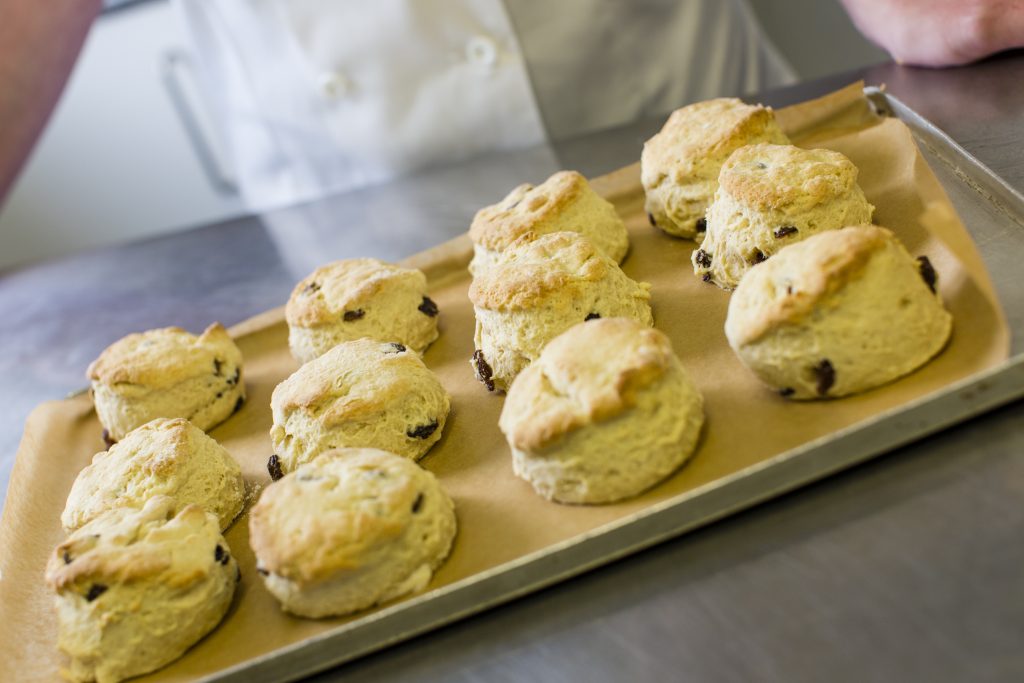
Scones – serve with your favourite jam!
https://www.bbcgoodfood.com/recipes/vegan-scones
Resources/News
Below we have included some further reading and recent news to take a look at.
- The Vegan Society launches VEG 1 Baby and Toddler – liquid multivitamin for vegan children.
- Transitioning to a Vegan Lifestyle
https://ilovevegan.com/resources/transitioning-to-a-vegan-lifestyle/
- Meat Alternatives on the Market:
https://www.vegansociety.com/news/market-insights/meat-alternative-market
- The Vegan Cheese Market – New Cheeses!
https://www.vegansociety.com/news/blog/TM22/vegan-cheese-2022
https://www.bbcgoodfood.com/review/best-vegan-cheese
- Sustainable Clothing for Children:
https://littlegreenradicals.com/
- Second-hand Clothing:
Ebay, Vinted, Depop, Facebook Marketplace, charity shops